What the new Claude Code rule says

Claude Code is Anthropic's AI coding tool. You describe a change in a terminal or editor, and it writes and edits the code for you. Claude Code on Opus 5.5 still builds original, genre, and self-designed games, but it now turns down requests to rebuild a specific existing game.
A two-sentence rule pushed from Anthropic's servers
The rule surfaced on October 30, when X user Chasm posted that Claude Code had picked up new instructions around October 27. The rule arrives from Anthropic's servers under a flag called tengu_heron_brook, and users have no setting to switch it off. Chasm's post also quotes the full text, which runs just two sentences.
The rule as posted by Chasm
| Sentence | What it tells Claude Code |
|---|---|
| First | Go ahead with original games, genre games, and games based on the user's own designs or art |
| Second | Say no to a copy of one particular existing game, even under a new name or an "original" label |
The second sentence closes the obvious loophole. Giving a familiar game a new name, or calling it your own, doesn't change the answer.
"Claude Code picked up a new rule around Oct 27, sent from Anthropic’s servers under a flag called "tengu_heron_brook". There’s no setting to turn it off."/"The full rule: “Do build original games, games in a genre, and games from the user’s own designs and assets. Don’t build a recreation of a specific existing game, even if it is renamed or called original.”"View official source →
Addy Osmani confirms the change and cites the usage policy

Addy Osmani, a member of Anthropic's technical staff, replied to Chasm the same day, saying the two sentences went into Claude Code's system prompt (the standing instructions it reads before your request) on Opus 5.5. Osmani said Anthropic added the two sentences because using Claude to infringe IP breaks its usage policy, and that the team will keep adjusting where the line sits. The policy itself bans using Anthropic's products to infringe or misappropriate a third party's intellectual property.
An Anthropic spokesperson pointed Game Developer to Osmani's post when asked for comment. Anthropic hasn't published a separate announcement, so that post is the company's only explanation so far.
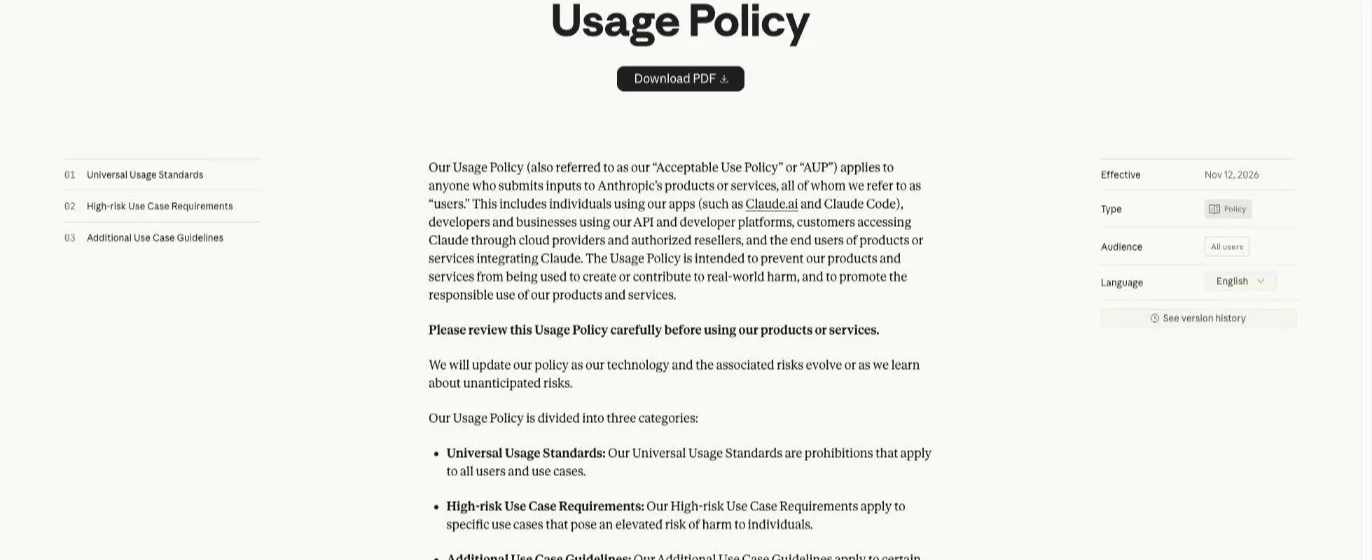
"We added two sentences to Claude Code's prompt on Opus 5.5 to steer it away from recreating someone else's specific game because using Claude to infringe IP is against our usage policy."/"We'll continue to iterate to ensure we're striking the right balance."View official source →
"Infringe, misappropriate, or violate the intellectual property rights of a third party"— Universal Usage StandardsView official source →
A board wargame studio says paid client work stopped
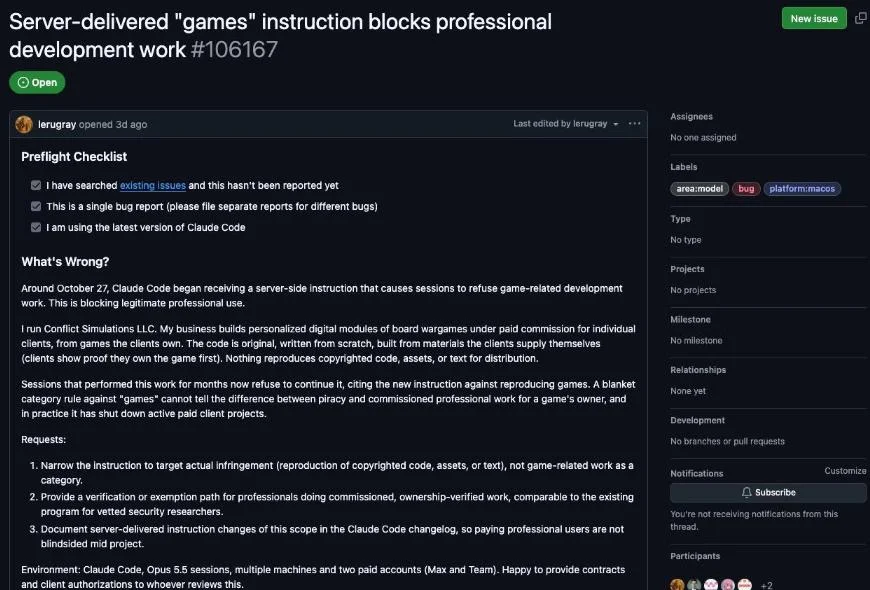
Conflict Simulations LLC says Claude Code stopped its paid work turning clients' own board wargames into digital modules, and support would not make an exception. Board wargames are tabletop games that simulate battles or whole wars on a map. The studio's owner, Ray Weiss, argues that a rule aimed at games as a category can't tell piracy apart from a commission for someone who already owns the game.
Three requests filed on GitHub
Weiss opened a GitHub issue (a public bug report or feature request) on the Claude Code repository on October 30. The business builds personalized digital versions of board wargames for individual clients who own the physical games.
The code is written from scratch, clients supply the materials themselves, and each client shows proof of ownership first. Sessions that had done this work for months now refuse to go on, according to Weiss.
Weiss asked Anthropic to limit the rule to real infringement, to offer a verification path for ownership-checked work, and to log changes like this in the changelog. Weiss compared the second request to the program Anthropic already runs for vetted security researchers.
Later that day Weiss corrected one word. The first draft called the work "licensed," but it isn't licensed by publishers. The builds are for each client's own use, never sold or shared, and the studio won't build a module for a game whose publisher already sells a digital edition.
A follow-up comment adds a detail about timing. The work kept going after the rule reportedly shipped and only stopped once Weiss asked Claude to check whether the rule applied to it. Clearing that session didn't help in the same repositories.
Another user replied that the memory files or Git history were probably carrying the refusal forward. Weiss answered that they would try to clean those up.
"I run Conflict Simulations LLC. My business builds personalized digital modules of board wargames under paid commission for individual clients, from games the clients own. The code is original, written from scratch, built from materials the clients supply themselves (clients show proof they own the game first)."/"Sessions that performed this work for months now refuse to continue it, citing the new instruction against reproducing games."/"1. Narrow the instruction to target actual infringement (reproduction of copyrighted code, assets, or text), not game-related work as a category."/"2. Provide a verification or exemption path for professionals doing commissioned, ownership-verified work, comparable to the existing program for vetted security researchers."/"3. Document server-delivered instruction changes of this scope in the Claude Code changelog, so paying professional users are not blindsided mid project."/"My module work is not publisher-licensed."/"The refusals began only after I saw the rule discussed publicly and asked Claude to check whether it affected our work."/"I have since cleared that session; the refusal persists in sessions working from the same repositories."View official source →
Support offered no exemption, and the changelog is silent
Weiss also contacted Anthropic support from two accounts. Each time, the Fin support bot replied that there's no exemption or verification path for commercial users. Both tickets later reached a person, and one was handed to a specialist team with no timeline.
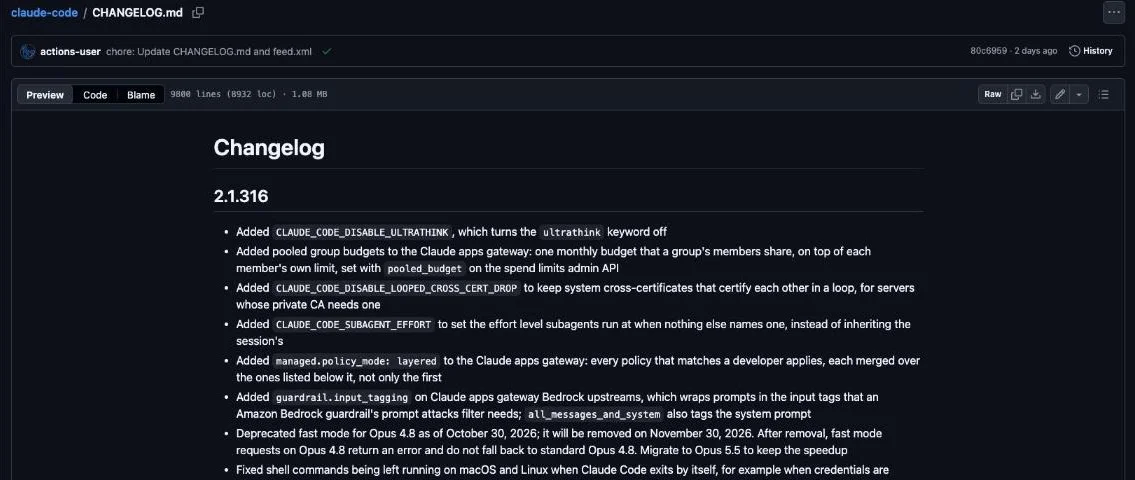
Anthropic's support bot said the policy applies to every customer without exception, and the Claude Code changelog has no entry for the rule. As of November 2, the changelog runs through version 2.1.316 and says nothing about games. The Next Web reported the same gap.
Not everyone in the thread sided with Weiss. One commenter said that unless the clients hold the rights, the work is no different from any other reverse-engineered port (a rebuild made by taking apart the original software).
"Support status, for the record: the Fin bot on two accounts stated the policy "applies to all customers without exception" and that no exemption or verification path exists for commercial professionals. Both tickets were eventually passed to humans; one was handed to a specialist team with no timeline given."View official source →
Which games can you still build with Claude Code?
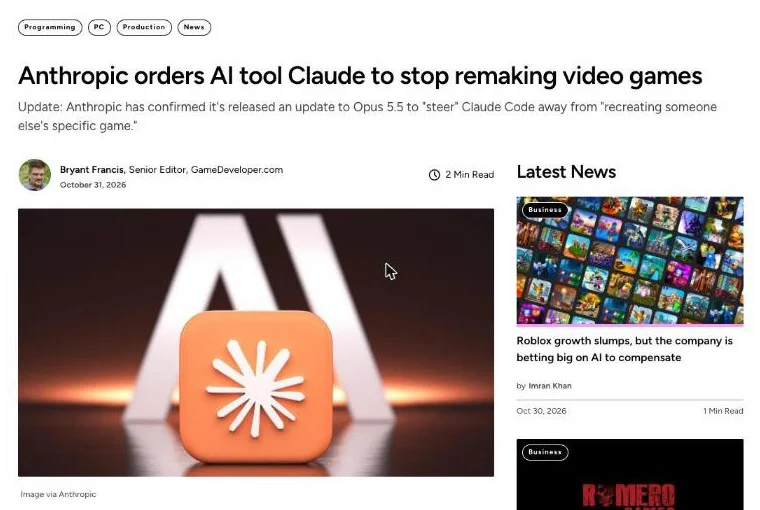
Anything that is not a rebuild of a specific existing game is still fair game, and if your own project gets blocked, Osmani has asked to hear about it. That covers new ideas, games built around a familiar genre, and projects made from your own designs and art. Only a copy of one particular game is off the table.
Original, genre, and self-designed games are allowed
The first sentence of the rule names three kinds of game Claude Code should keep building. Osmani said the same three are meant to keep working.
- Original games you came up with yourself
- Games in an established genre, such as a platformer or a puzzle game
- Games built from your own designs and assets
Renaming a well-known game or calling it original does not get a recreation past the rule. The second sentence covers both moves directly.
Game Developer doubts the rule will stop determined copycats. It noted that researchers have repeatedly shown AI safety limits can be talked around, and that it's unclear how software would know whether someone owns a game idea or its assets. Game studios are on both sides of this, too: Epic Games has moved its own development toward AI (Epic Games delays Disney shooter, goes AI first).
"Original games, genre games, and games built from your own designs and assets are meant to keep working."View official source →
"Scientists and reporters have repeatedly documented that safety limits on generative AI tools can be sidestepped by deploying rhetorical tricks. It's also unclear how the software would be able to interpret whether or not a user owns a game idea or game assets."View official source →
What to do if Claude Code blocks your own game
Developers whose own work gets turned down can flag it to Osmani, who asked for those cases while Anthropic tunes the rule. The request came in the same post that confirmed the change.
Support is a weaker route for now. The board wargame studio asked through two accounts and was told no exemption exists. Right now the public channels are Osmani's post on X and the issue tracker on the Claude Code GitHub repository.
"We'll continue to iterate to ensure we're striking the right balance. In the meantime, if Claude turns down something that's yours, send it my way."View official source →
Server-side rules change Claude Code without a version bump
Two ways Claude Code's behavior can change
| Change | Listed in the changelog? |
|---|---|
| A new app version | Yes (2.1.316 was the latest on November 2) |
| A server-side instruction, like this rule | No, and there's no setting to turn it off |
Because the rule comes from the server, skips the changelog, and has no off switch, what Claude Code will build can change while your version number stays the same. Osmani has said Anthropic will keep adjusting the balance, so the wording could change again without notice.
Version updates are easier to trace. Auto mode, for example, became the default startup mode starting with version 2.1.283, and that kind of change can be pinned to a release (Claude Code Auto Mode Is Now the Default Setting). This rule has no such marker.
The wargame studio's timeline adds another wrinkle. Work kept going after the rule reportedly arrived and stopped only after Weiss asked Claude about it. If session memory or Git history really does carry a refusal forward, two people on the same version could hit the rule at different times.
So if Claude Code suddenly stops on game work, check the server-side rule before blaming your version. That gap is exactly why the studio asked for changelog entries.
FAQ
- Can I turn off the Claude Code game rule?
- No. The rule is delivered from Anthropic's servers under the flag tengu_heron_brook, and Chasm, who first posted about it, found no setting to switch it off.
- Why did Anthropic add the rule?
- Addy Osmani of Anthropic's technical staff said using Claude to infringe intellectual property is against the company's usage policy, which bans infringing a third party's IP.
- Does renaming a game get around the rule?
- No. The second sentence of the rule says Claude Code should not build a recreation of a specific existing game even if it is renamed or called original. Original, genre, and self-designed games are still allowed.
Related articles
 Claude Code hooks: 5 types and the node spawn costClaude Code hooks come in five types, from command to agent. As command hooks, one Edit launched 17 node processes, and hooks drove 47–87% of node launches.
 Claude Code Auto Mode Is Now the Default SettingClaude Code auto mode is now the default on Pro, Max and Team. Learn what the classifier blocks, how to switch modes, and how to disable it.
 Alibaba Bans Claude Code Over Hidden Tracking CodeAlibaba bans Claude Code from July 10, citing back-door risks tied to hidden code that could identify China users. Staff are told to switch to Qoder.
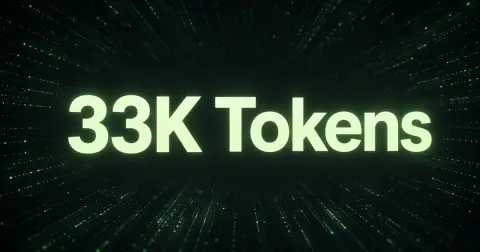 Claude Code Token Usage: 33K vs OpenCode's 7KClaude Code token usage starts near 33,000 before your prompt, 4.7x OpenCode. CLAUDE.md and MCP servers push it to 75,000, but requests set the total.