What is WebMCP: how a site hands its tools to AI agents
WebMCP is an experimental open standard that lets a website publish structured tools for AI agents. An agent is software that carries out a task for a person, such as searching a catalog or filling in a form. With WebMCP, the site spells out which actions it allows, and the agent uses them directly.
Without a standard like this, an agent has to guess how an interface works. WebMCP replaces the guess with a stated definition of how an agent can use the app.
OpenAI says agents then finish tasks faster, more accurately and more reliably. It describes the aim of its WebMCP Challenge as an app that gets meaningfully better when people and their agents use it together.
"is an experimental open standard that lets websites expose structured tools agents can use directly. Instead of leaving agents to guess their way through your UI, you define exactly how they can use your app, so they complete tasks faster, more accurately, and more reliably."/"The WebMCP Challenge invites you to build something we haven't seen before: an app that becomes meaningfully better when people and their agents can use it together."(Make the web work with agents section)View official source →
WebMCP support in ChatGPT: the in-app browser needs no setup
OpenAI says ChatGPT's in-app browser supports WebMCP out of the box. A developer who builds a WebMCP app can therefore test it there with no extra configuration.
OpenAI names two places to test: that browser and Google Chrome. Of the two, the in-app browser takes fewer steps, because Chrome needs WebMCP enabled first. If you want to watch an agent call your site's tools quickly, start in ChatGPT's in-app browser.
"Test your app in ChatGPT's in-app browser, which supports WebMCP out of the box, or Google Chrome with WebMCP enabled through its experimental flag or origin trial."(FAQ section)View official source →
WebMCP in Chrome: the experimental flag and origin trial
Google Chrome works with WebMCP once the feature is enabled, either through an experimental flag or through the origin trial. An origin trial is Chrome's way of letting sites try a new feature before it ships to everyone.
OpenAI labels WebMCP experimental. The page names both Chrome routes as ways to test an app.
Chrome is also part of the Challenge itself. Google Chrome is listed among the companies providing additional prizes, and Sarah Drasner of Chrome was on the judging panel.
"Test your app in ChatGPT's in-app browser, which supports WebMCP out of the box, or Google Chrome with WebMCP enabled through its experimental flag or origin trial."(FAQ section)View official source →
WebMCP examples and demos: OpenAI sample apps to start from
OpenAI provides five sample apps, each a WebMCP example. They cover:
- 3D modeling
- Collaborative writing
- A crossword builder
- Data exploration built on DuckDB-Wasm, a database engine that runs inside the browser
- An itinerary planner called Wandernote
The collaborative writing sample shows what a shared task looks like. A person and an agent write and revise one document together, and the agent can leave comments and respond under its own identity.
The data exploration sample works on data instead of text. Using DuckDB-Wasm, the agent queries and combines data alongside the person, and the two then create custom visualizations in the browser.
"Write and revise together in a shared document, where your agent can leave comments and respond under its own identity."/"Query and combine data with your agent using DuckDB-Wasm, then create custom visualizations in your browser."(What will you build with WebMCP? section)View official source →
OpenAI WebMCP Challenge: $3,000 each for the top 10 entries
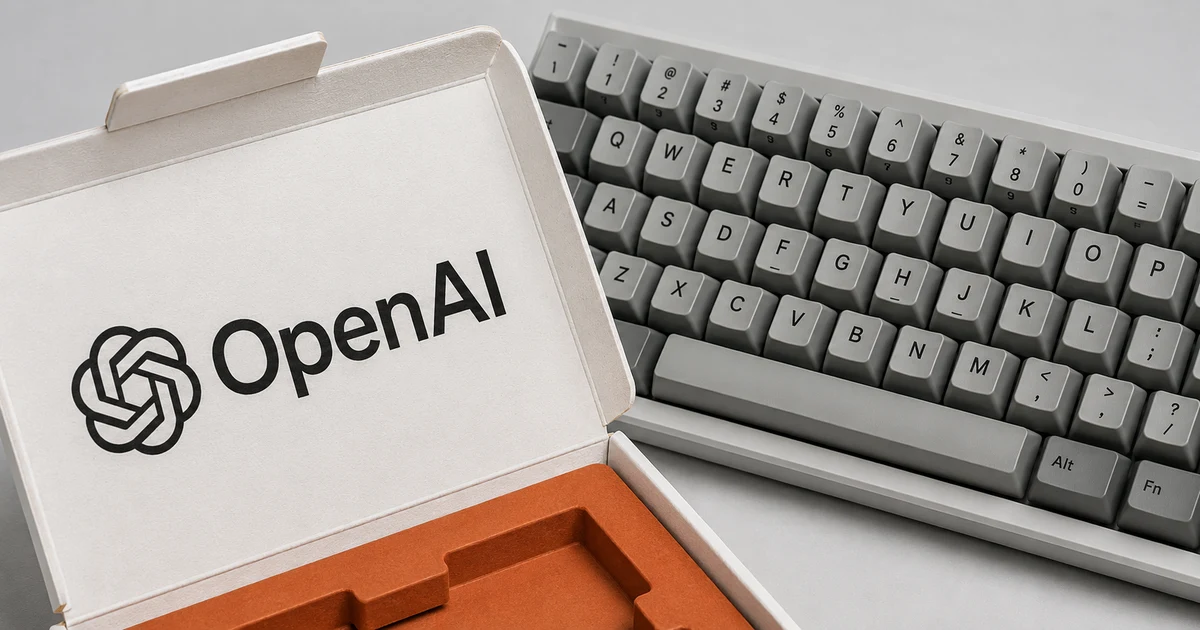
The WebMCP Challenge, OpenAI's contest for apps built on the standard, offered each of the top 10 submissions $3,000 in cash, a year of ChatGPT Pro, a Codex Micro keyboard and OpenAI swag. Shopify, Google Chrome, Netlify, Cloudflare, Vercel and Render were listed as providing additional prizes.
Registration and submissions opened on August 25, 2026. The submission deadline was September 3, 2026, so the contest is now closed.
Key dates, Pacific time
| When | What |
|---|---|
| August 25, 2026, 12 p.m. | Registration and submissions open |
| August 25, 2026, 3 p.m. | Opening livestream |
| August 31, 2026, 11 a.m. | Office hours |
| September 3, 2026, 1 p.m. | Submission deadline |
| September 23, 2026 | Winners announcement scheduled; the date might shift |
The judges were Sarah Drasner (Chrome), Andrew Galloni (Cloudflare), Jude Gao (Vercel), Ilya Grigorik (Shopify), Sean Roberts (Netlify) and Justin Rushing (OpenAI), along with Alex Nahas, the creator of MCP-B. Entry did not require a new app. OpenAI encouraged new ones but also accepted entries that added WebMCP support to an existing app.
OpenAI's page scheduled the winners announcement for September 23, 2026 and said the date might shift. As of October 10, 2026, the page still shows that date and names no winners.
"The top 10 submissions will each receive:"/"$3,000 in cash from OpenAI"/"Additional prizes from Shopify, Google Chrome, Netlify, Cloudflare, Vercel, and Render"/"No. New apps are encouraged, but you can also add WebMCP support to an existing app."(Prizes, Key dates and FAQ sections)View official source →
FAQ
- What is WebMCP?
- An experimental open standard that lets a website publish structured tools an agent can call directly. Instead of making the agent guess how the interface works, the site declares what the agent is allowed to do.
- Where can I test a WebMCP app?
- ChatGPT's in-app browser supports WebMCP with no setup. Google Chrome also works once WebMCP is enabled through its experimental flag or the origin trial.
- Did the WebMCP Challenge require a new app?
- No. OpenAI encouraged new apps but also allowed an entry that added WebMCP support to an existing app.
Related articles
 OpenAI, ServiceNow expand deal with ChatGPT pluginOpenAI and ServiceNow expanded their deal on Oct 28, 2026. A ServiceNow MCP plugin for ChatGPT is live now; Codex, security and voice tools follow in 2027.
 ChatGPT and Codex usage limits merge in DecemberFrom December, Plus, Pro and Business plans will share one token-based allowance across ChatGPT and Codex. Instant chat won't count, and no start date is set.
 ChatGPT now works with iCloud Mail and CalendarOpenAI added iCloud Mail and Calendar plugins to ChatGPT on Oct 27 for all plans. You connect with an Apple app-specific password that outlives a disconnect.
 ChatGPT limits weapons information for teensOpenAI said on Oct 30, 2026 that ChatGPT will limit weapons information for teens, end chats fixated on violence, and report on safety every six months.